Delivering practical AI engineering for businesses that need it to actually work — designed, built, and operated end-to-end.
Every engagement ships as a working system in production — not a slide deck. Four core capabilities, each proven with paying clients.
Production agent platforms: runtimes, MCP services on Kubernetes, evaluation pipelines (MLflow/LangSmith), observability, and Terraform-managed infrastructure.
Denials engines, appeal-letter generation, month-end pipelines, EHR/PM integrations (ModMed, AdvancedMD), and QuickBooks Online invoicing — deterministic Python pipelines replacing manual cycles.
API extraction, normalization, reconciliation at penny-exact accuracy, and reporting workbooks — connecting vendor portals, clearinghouses, and accounting systems.
Autonomous agent harnesses with permission gating, RAG systems, LoRA/QLoRA fine-tuning, evaluation harnesses that prove quality before deployment — and PHI-redaction gateways for regulated data.
Typical client engagements: full products delivered to production with real users. These are the systems businesses hire us to build.

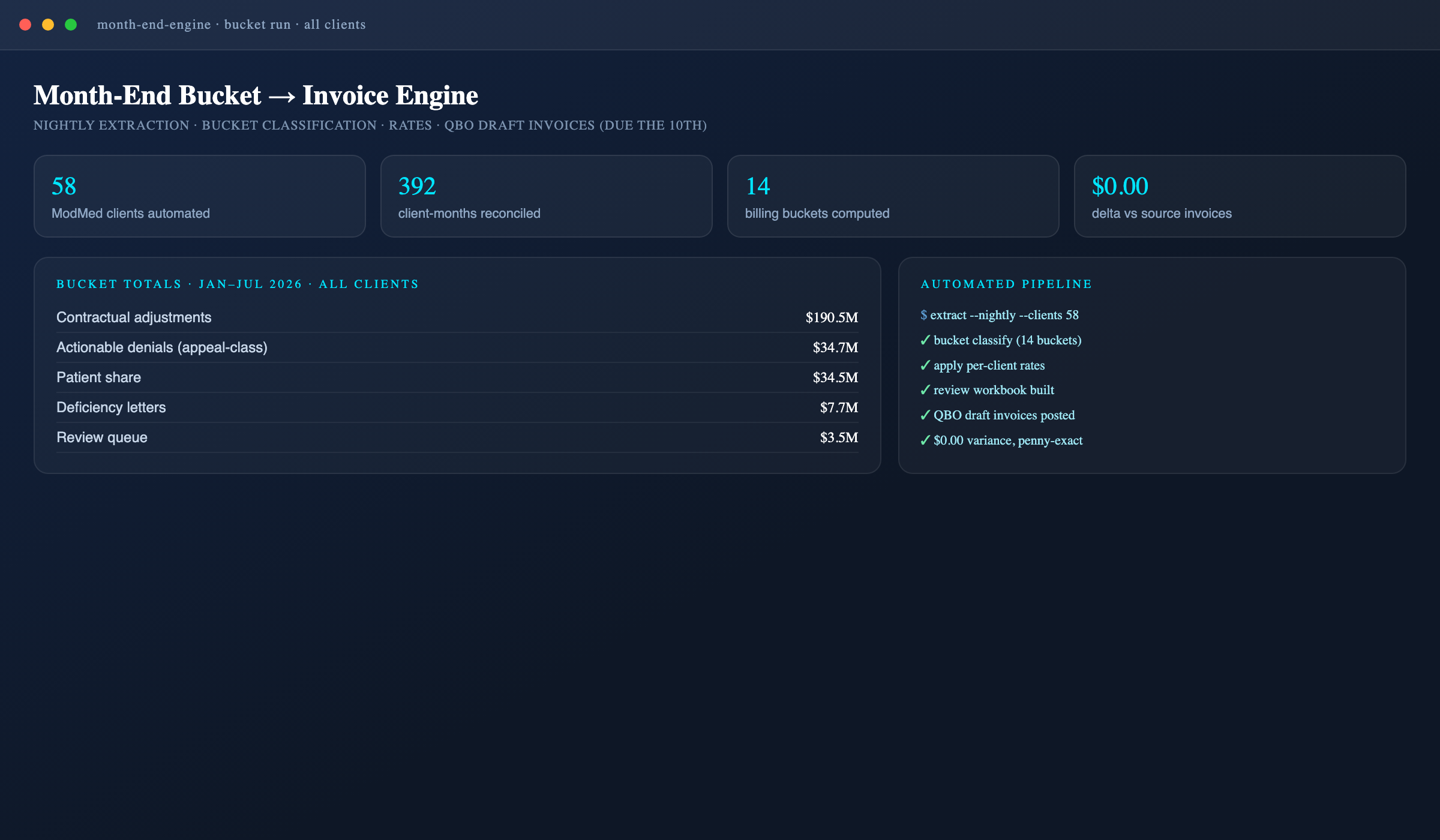
Nightly extraction from the practice-management exports feeds a bucket-classification engine (14 revenue buckets), applies each client's contracted rates, assembles the month-end review workbook, and posts draft invoices to QuickBooks Online with the invoice dated to period close and payment due on the 10th. The whole run reconciles penny-exact against the source invoices.

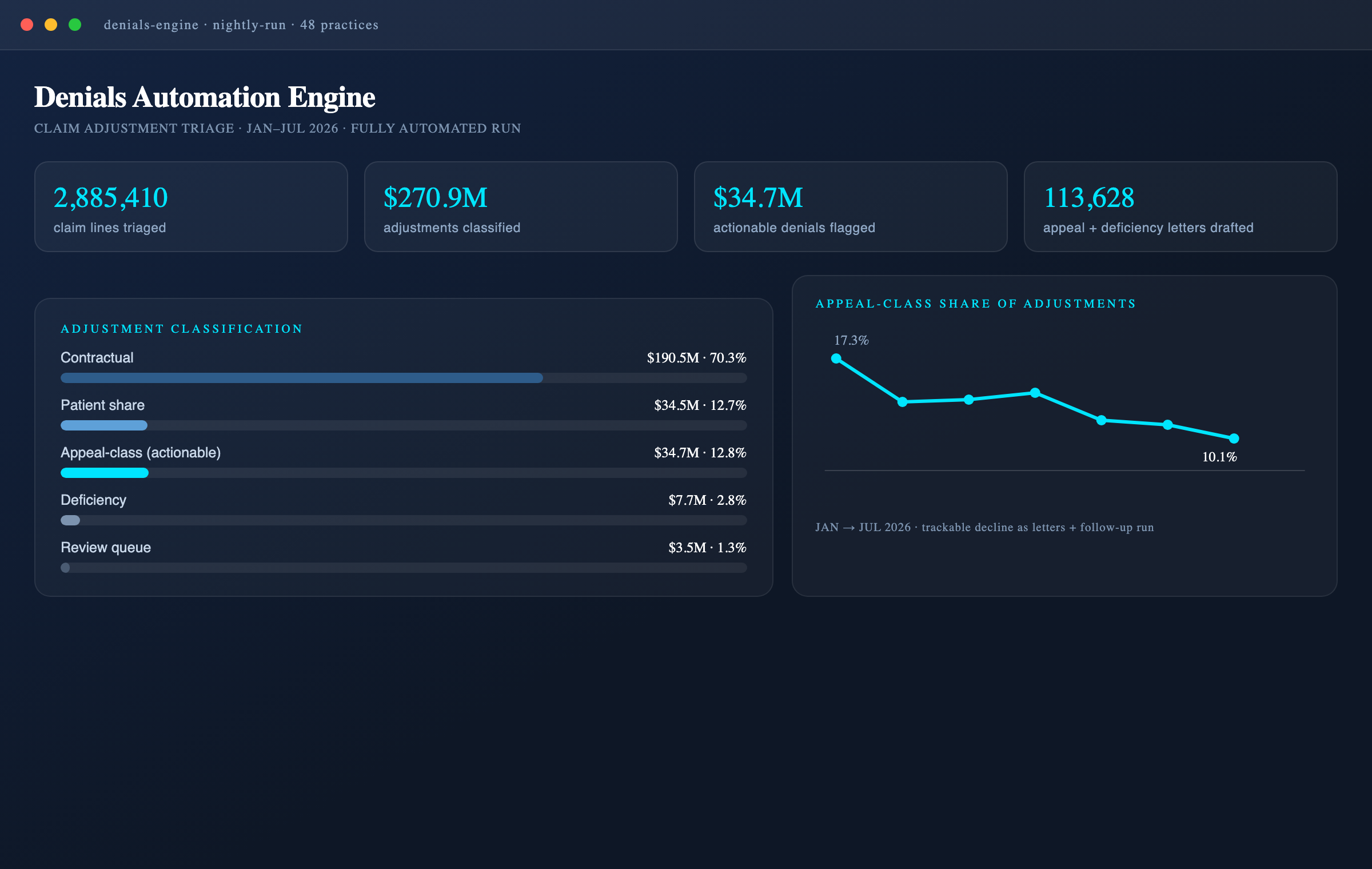
End-to-end revenue-cycle automation for a medical billing company: nightly claim extraction from ModMed and AdvancedMD, adjustment classification into contractual / patient-share / actionable-denial buckets, same-day appeal and deficiency letter drafting, month-end bucket reporting, and QuickBooks Online invoice posting.

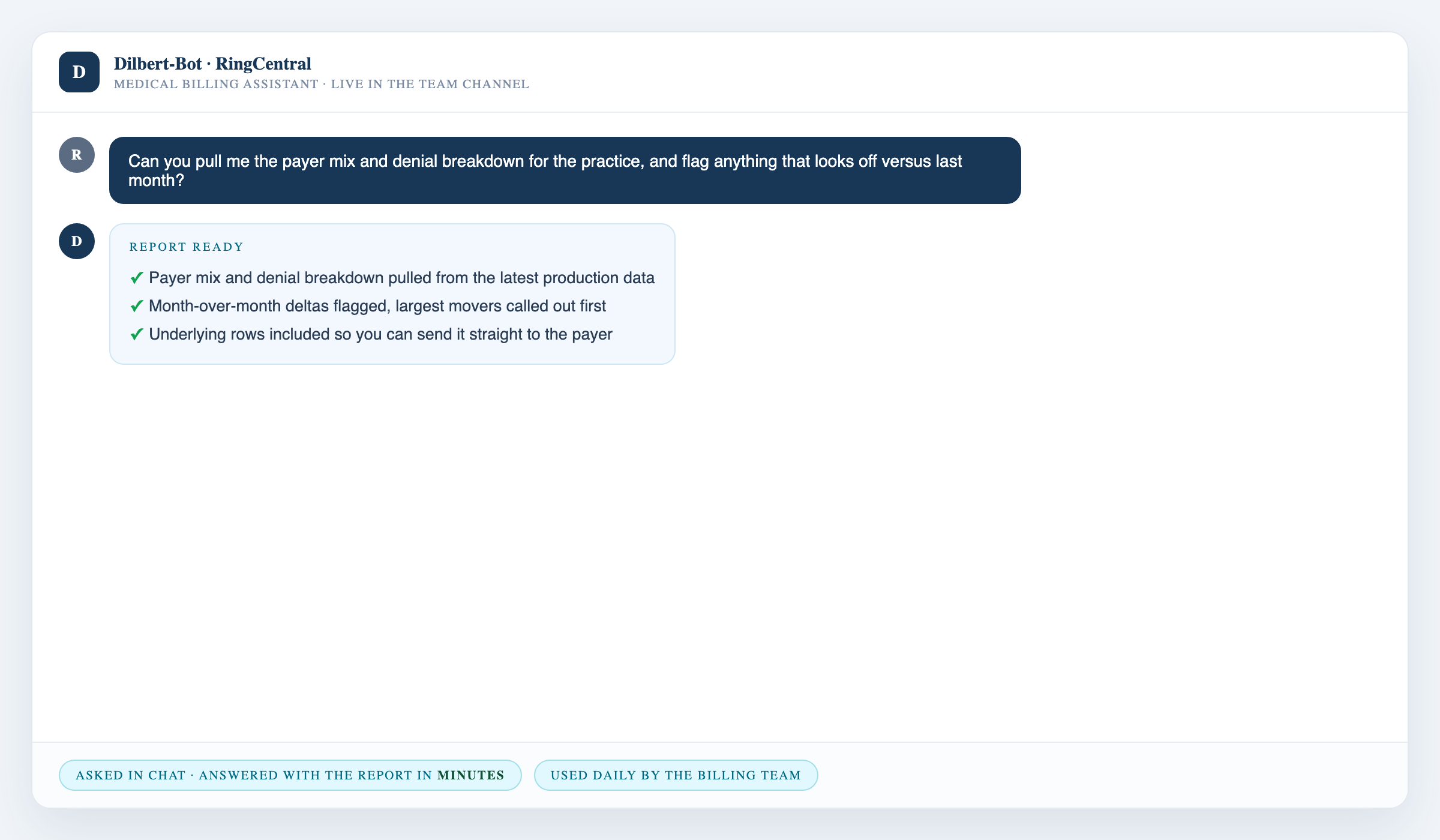
A RingCentral assistant the billing team uses daily. It pulls production, A/R and denial reporting on request, answers questions about the numbers in plain language, and returns analyses that previously took several people the better part of a week — delivered in minutes. Behind it runs the scheduled extraction/reconciliation fleet, with patient data protected by the PHI gateway.

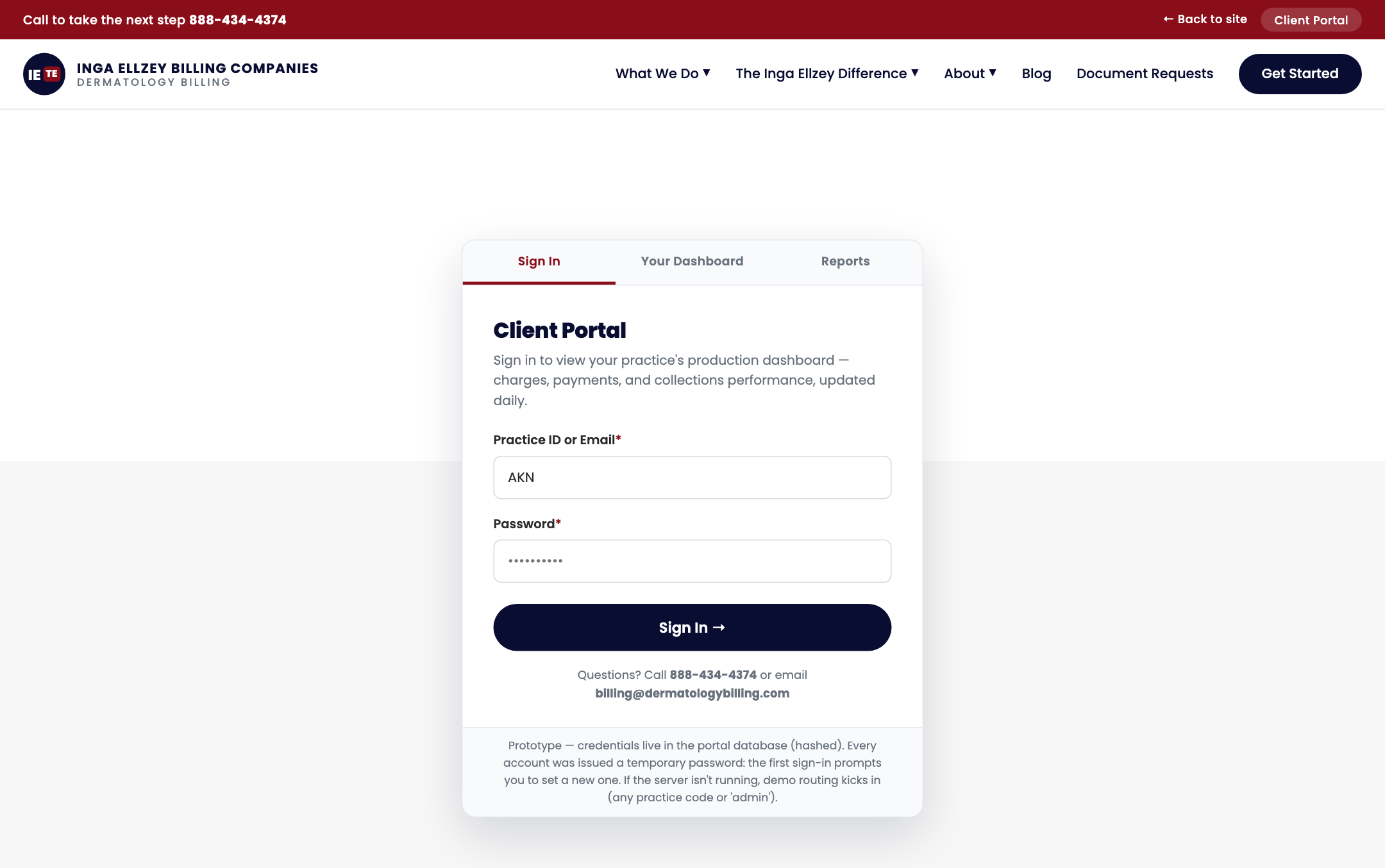
A self-service portal where each practice signs in to its own dashboard — charges, payments and collections performance, refreshed daily — alongside document requests and downloadable reports. It replaces the status-check email chain with data clients can pull themselves.

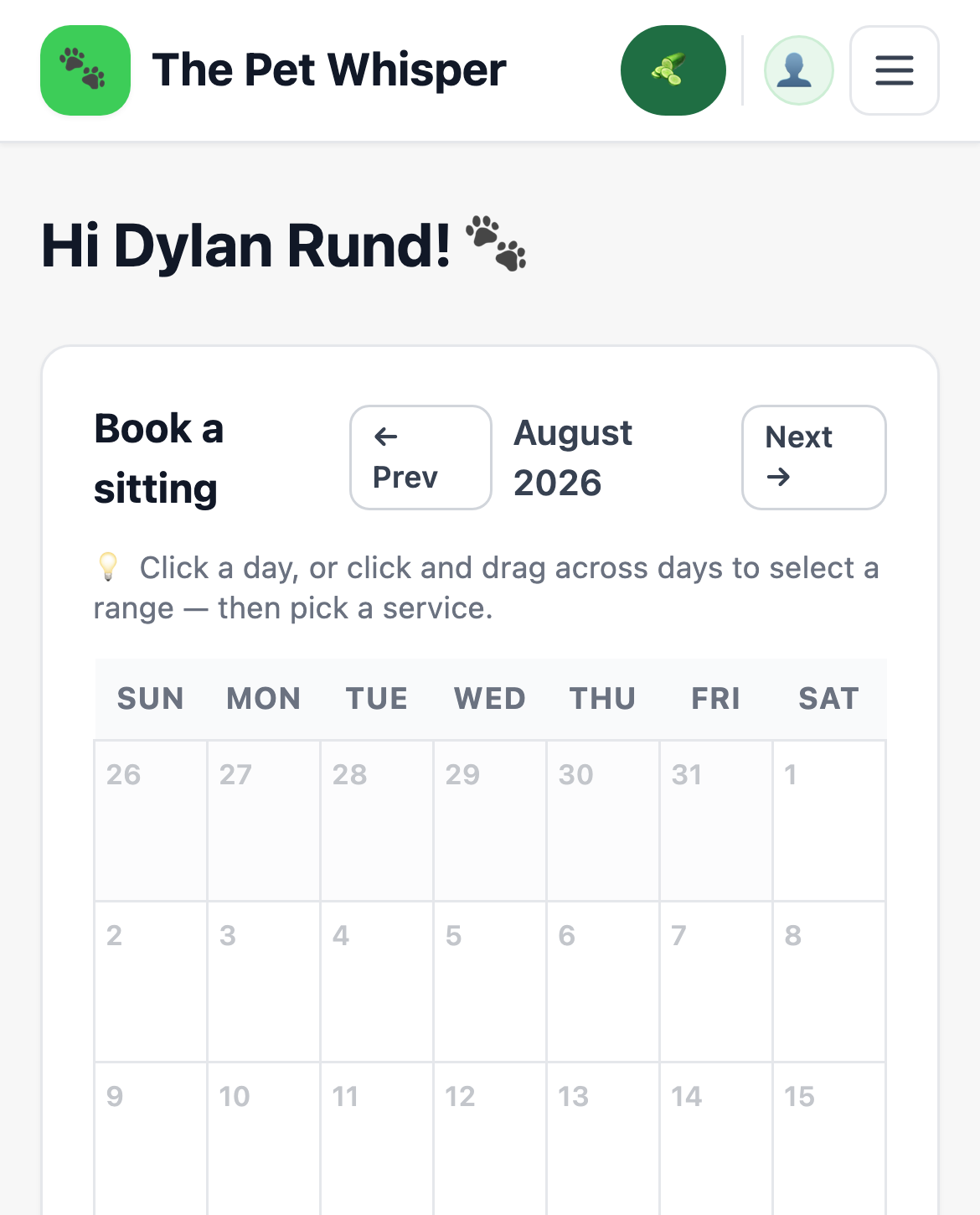
A live scheduling and client-management platform: customer accounts, service catalog, calendar booking with date-range selection, visit management, payments and rate configuration, plus an owner console. Delivered as an installable web app so it runs like a native mobile app with no app-store approval cycle.


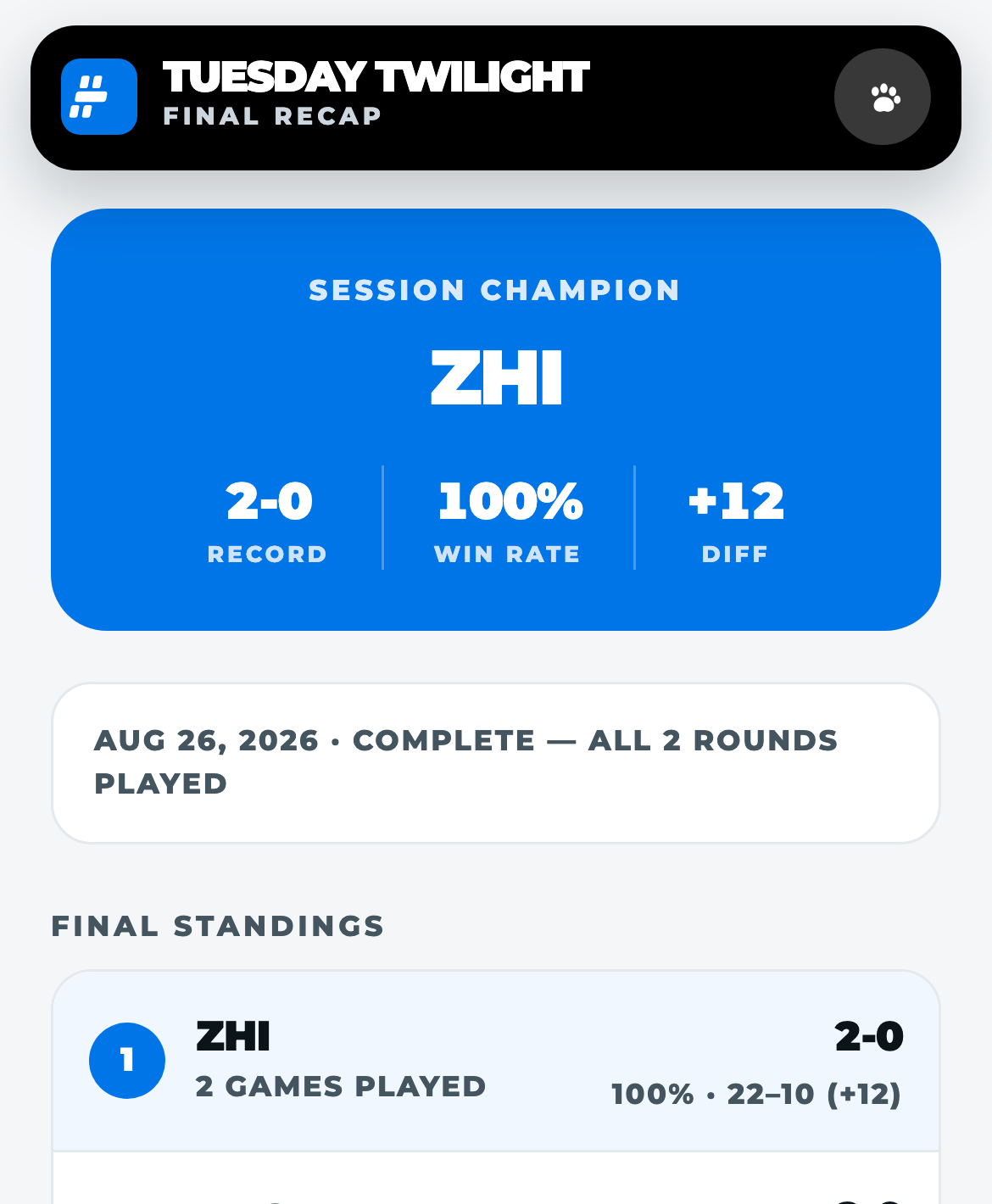
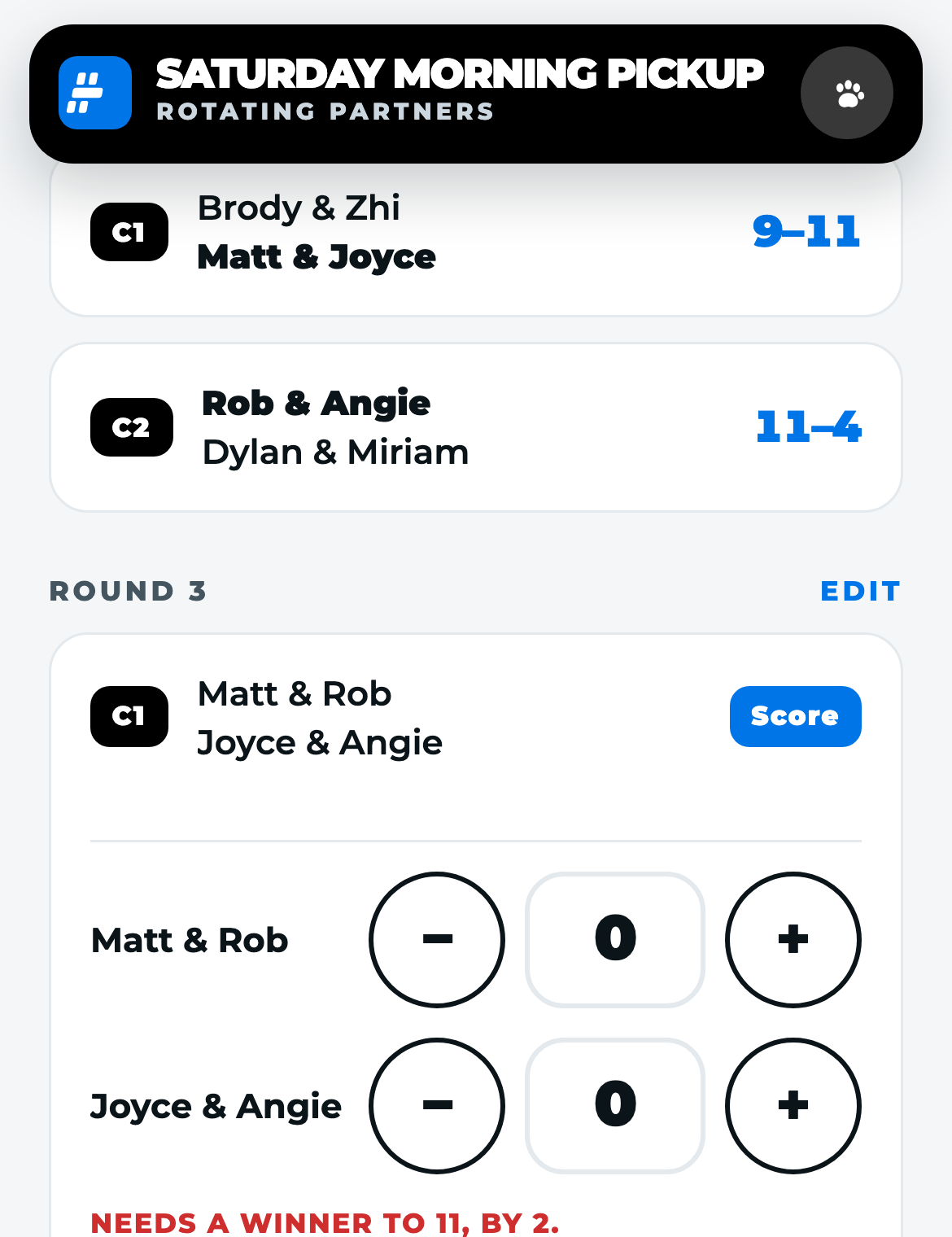
Round-robin tournament app that assigns courts and partners round by round, tracks live standings with point differential, and takes score entry with real rules validation. Paired with a DUPR-style rating engine using a chess-ELO equivalent, and an onboarding flow that mirrors a player's verified DUPR rating.

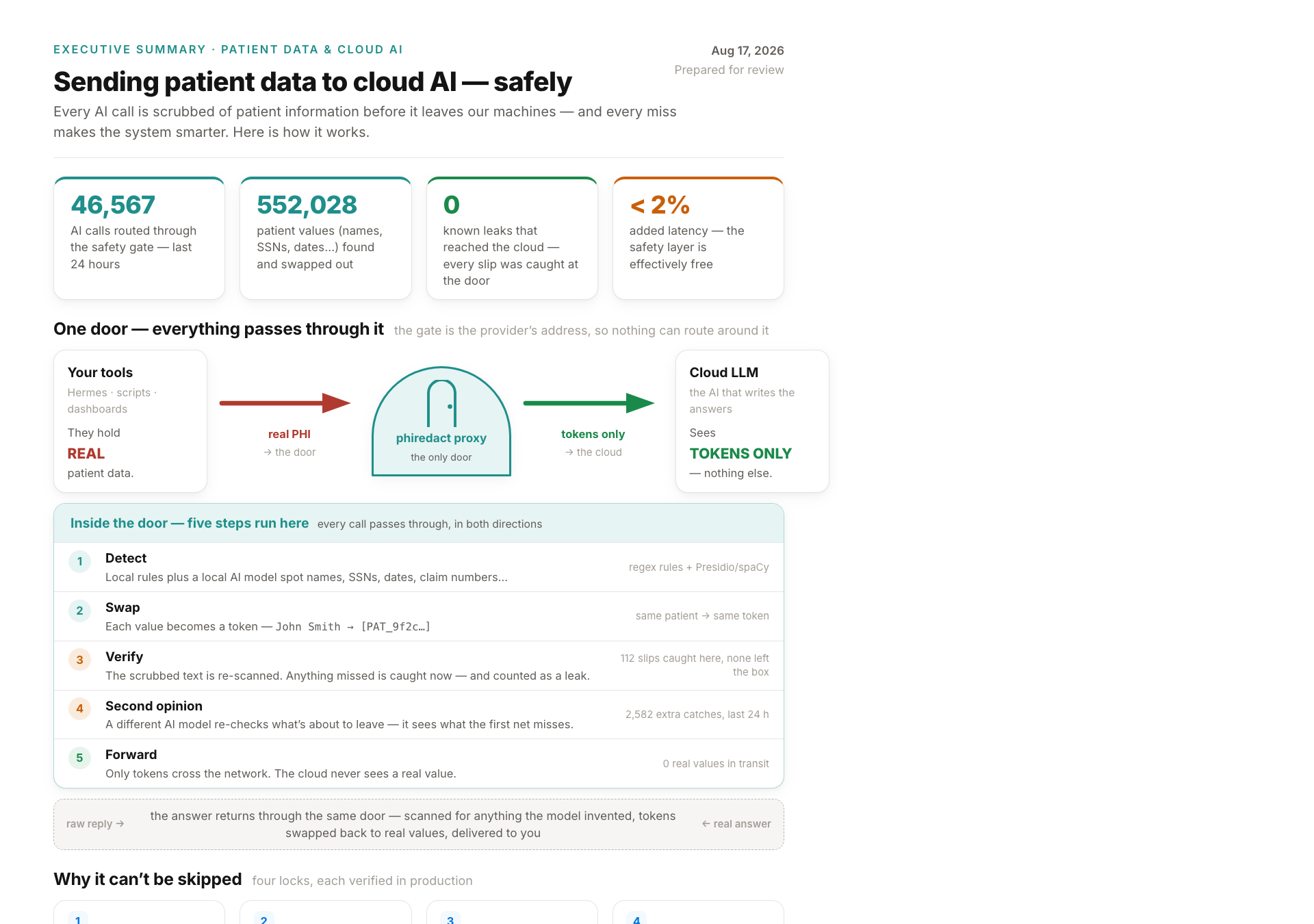
An OpenAI-compatible proxy that sits in front of every outbound LLM call, so patient data never reaches a third-party model. It detects PHI locally (rules plus NLP models), swaps each value for a deterministic reversible token, re-scans to catch misses, adds an independent second-opinion model pass, then forwards tokens only — restoring real values in the response. Token mappings are encrypted at rest and never leave the machine, and every leak signal is audited.
Direct feedback from the businesses running systems built here.
"I brought Dylan in to automate high-labor internal operations at my billing company. He spent time on-site observing our workflows and talking with my staff about what kept them away from revenue-generating work — then built sustainable systems around what he learned. The results: our team saves roughly 200 labor hours annually, and within the first 60 days the financial impact had already reached six figures. Just as important, Dylan built these systems with our long-term mission in mind — we've been able to extend the foundations he laid rather than rebuild them. I'd recommend Dylan to any company looking for similar results."
The weirder stuff — custom software, drivers, game-playing AI, and community platforms. Where new capabilities get proven before they become client work.
Camera-tracked interactive wall running live at a commercial venue: real-time computer-vision ball tracking, OS-level input drivers that translate physical ball hits into arcade-game input, calibration tooling, and kiosk deployment.

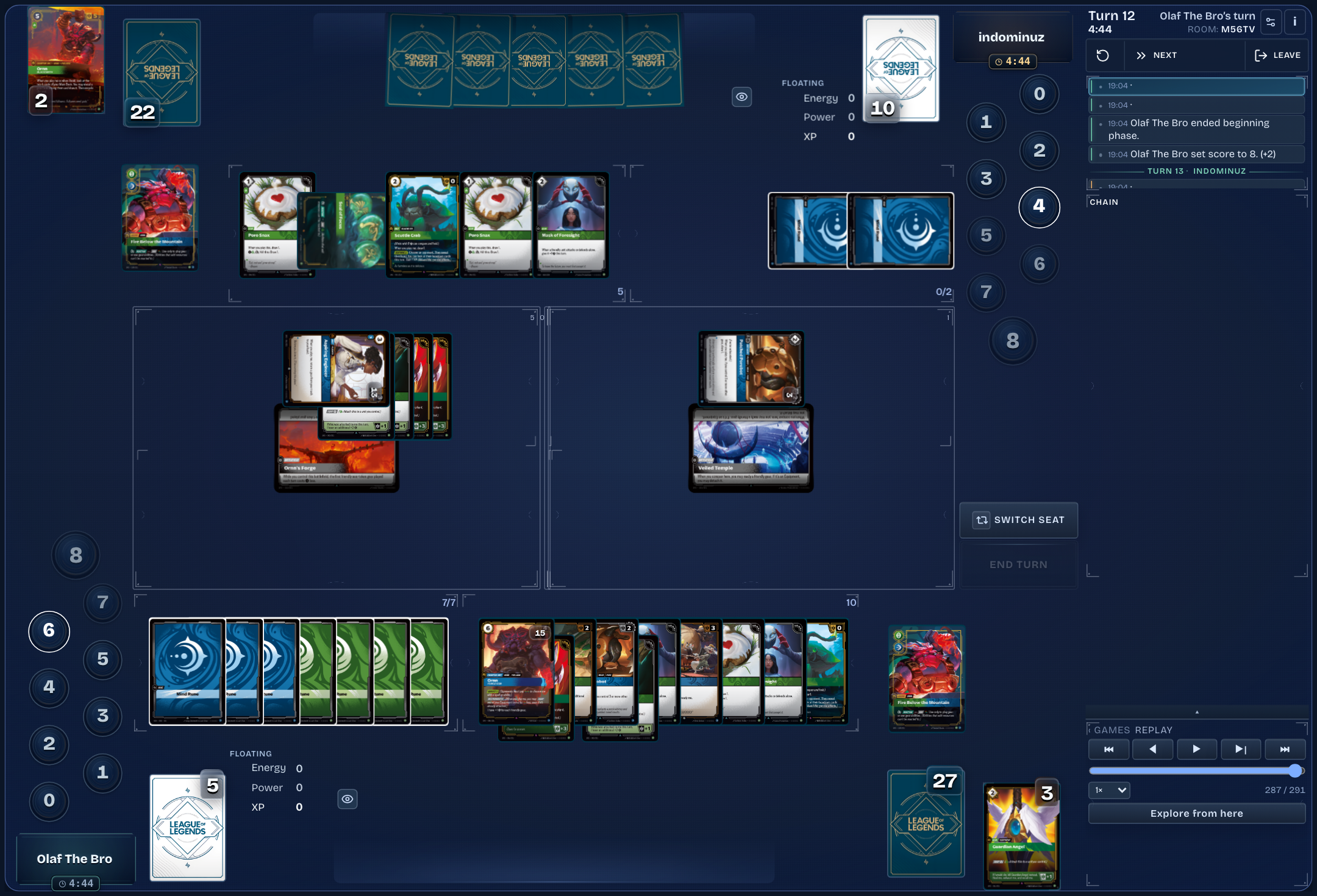
Trained game-playing AI for a third-party trading-card game: live client data capture, training-data pipelines, on-device LoRA fine-tuning, and a control harness that lets the model drive the game — plus a replay viewer that rebuilds any recorded match checkpoint-by-checkpoint with a full action log.
A fully functional Discord bot running a local gaming community: match simulation, competitive rating, leaderboards and challenge flows — plus tooling used by developers working on the game's competitive scene.
An agent harness with granular permission gating — scoped filesystem writes, destructive-action blocks, and a full audit trail — making unattended LLM coding agents safe to run on production-adjacent machines.
Rund Consulting Inc. is the AI & automation consultancy of Dylan Rund — a working engineer, not an agency. His career was built inside three of the largest professional-services firms in the world — Accenture, Deloitte and PwC — delivering AI platforms and automation for regulated, data-heavy operations. The systems he builds for clients are the same class of system he ships professionally: production AI, automation and data pipelines, backed by 10+ years across platform engineering, cloud infrastructure and enterprise delivery.
Most businesses aren't short on AI ideas — they're short on time. Somewhere in your operation there's a process that eats hours every week: pulling data out of portals, reconciling spreadsheets, chasing rejections, re-keying the same information twice. That's exactly the work modern AI and automation is good at, and it's the work we take off your plate.
Claims, reports, and statements that only exist behind logins get extracted, normalized, and delivered on a schedule — no one logging in at 6am to download files.
Reconciliation, summarization, and invoice preparation become one deterministic run that finishes in minutes and is penny-exact by construction.
Denials, appeals, review queues, and ticket triage get classified, prioritized, and drafted automatically — your team reviews and approves instead of starting from blank.
LLM systems with evaluation harnesses that measure quality before deployment, so automated decisions stay explainable, auditable, and improvable.